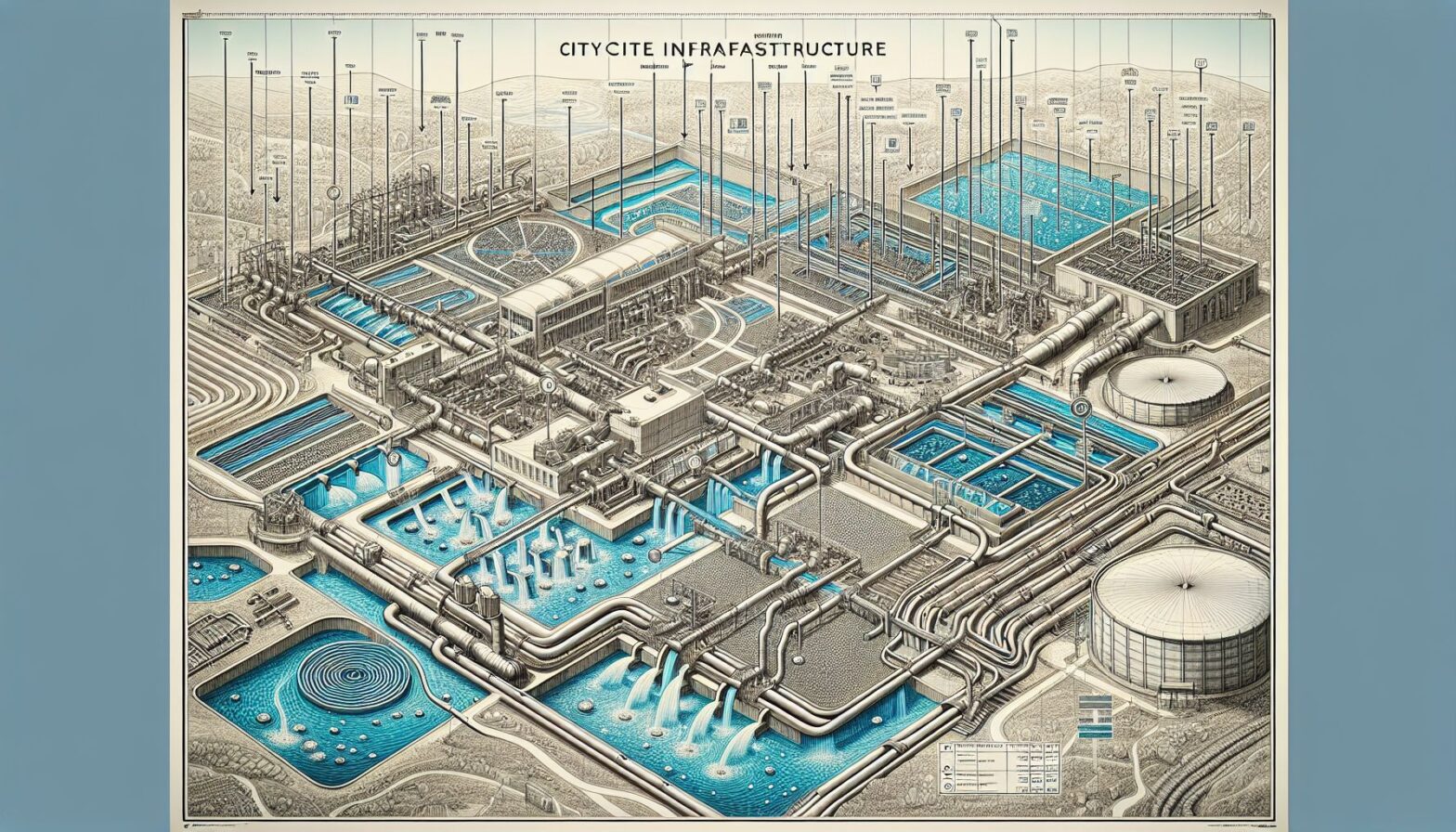
In today’s increasingly urbanized world, effective management of wastewater has emerged as a key sustainability challenge. Central to tackling this issue is the strategic planning and mapping of wastewater infrastructure. This approach enables the efficient use of resources, reduces environmental impact, and offers effective solutions to handle ever-growing wastewater volumes. Interested in learning about it in detail? Let’s dive in!
Wastewater Infrastructure Mapping: The Foundation for Efficient Management
Wastewater infrastructure mapping is a critical component of any well-functioning wastewater management system. Using Geographic Information System (GIS) technology, it involves reconnaissance, data collection, and positioning of existing wastewater infrastructure such as sewer lines, manholes, and pumping stations on a digital map. The information becomes the backbone for improved operations and planning, including the optimal placement of new infrastructure.
According to a study published in the Research Journal of Applied Sciences, Engineering, and Technology, GIS-based management increased the efficiency of sewerage administration by 32%. This shows the potential of wastewater infrastructure mapping in ensuring an efficient and reliable service, leading to sustainable urban environments.
Bringing Efficiency with Wastewater Facility Planning
Wastewater facility planning is the next logical step after mapping. It looks at the current state of wastewater treatment facilities and lays out a strategy for the infrastructure’s future development and capacity expansion. This involves comprehensive data collection and analysis, covering aspects like population growth forecasts, weather patterns, and even topography.
Such careful foresight can mean the difference between a fully functional, effective wastewater treatment system and one that fails under the strain of unexpected demands. For instance, during Hurricane Sandy in 2012, wastewater treatment facilities that had factored in severe weather patterns in their planning were better able to handle the influx and maintain their services.
Next, let’s look at how the US is faring in terms of wastewater infrastructure.
Spotlight on US Wastewater Infrastructure and Facility Planning
The United States presents an interesting case when considering wastewater infrastructure and planning. Historic cities, rapidly expanding urban regions, and stringent environmental regulations have led to unique challenges and solutions within the country’s wastewater sector.
A snapshot of the US wastewater treatment plant locations gives an insight into the extent and distribution of wastewater facilities across the country. The sprawling network of facilities visible on the map reflects the extensive reach of America’s wastewater management infrastructure.
However, this does not mean the country is without its challenges. A report by the American Society of Civil Engineers rates the country’s overall wastewater infrastructure a D+, signifying a critical need for material upgrades and widespread repair. This highlights the ongoing work required to meet demands, manage resources efficiently, and adhere to regulations.
The Strategic Process of Wastewater Infrastructure Planning and Mapping
As discussed, wastewater infrastructure planning and mapping is crucial for sustainable urban development. So what does the process look like?
-
Recognizing the need: This involves recognizing the challenge at hand, whether it is retrofitting old infrastructure, planning for urban expansion, or addressing a specific environmental target.
-
Data Gathering: After defining the need, the next step involves amassing data on the current infrastructure, potential growth factors, local regulations, available resources, and funding options.
-
Analyzing the collected data: The gathered information is then analyzed to enable informed decision-making. This may involve feasibility studies, predicting future scenarios, or using analytical tools to model outcomes.
-
Strategic Planning: Drawing on the analysis, strategies can then be laid out in detail. This could involve preventive maintenance schedules, proposals for new infrastructure, or the redesign of existing systems.
Remember, the goal is not just to maintain or build infrastructure for today’s needs, but also to ensure that the system will continue to meet requirements well into the future.
Future Focus: Embracing Digital Advancements
The future of wastewater infrastructure planning and mapping undoubtedly lies in embracing digital advancements. Technologies such as IoT, remote sensing, and cloud-based GIS offer transformative potential to enhance efficiencies and decision-making capabilities.
For instance, IoT-enabled sensors can provide real-time data about wastewater levels, the condition of infrastructure, or leaks. When fed into cloud-based GIS systems, this data can help generate predictive models or initiate immediate responsive actions, resulting in substantial cost and resource savings.
It’s clear that while the challenges of wastewater infrastructure and facility planning are complex, there are equally sophisticated solutions available. By proactively adopting advanced technologies and best practices, it’s possible to create resilient, sustainable, and efficient wastewater systems for the future.
So, are we on the brink of wastewater management systems that are more accurate, dynamic, and smarter than ever before? It would be an optimistic yes! Exploring the possibilities and pushing the boundaries would certainly redefine our approach to a sustainable wastewater management system. Such a vibrant prospect, indeed!