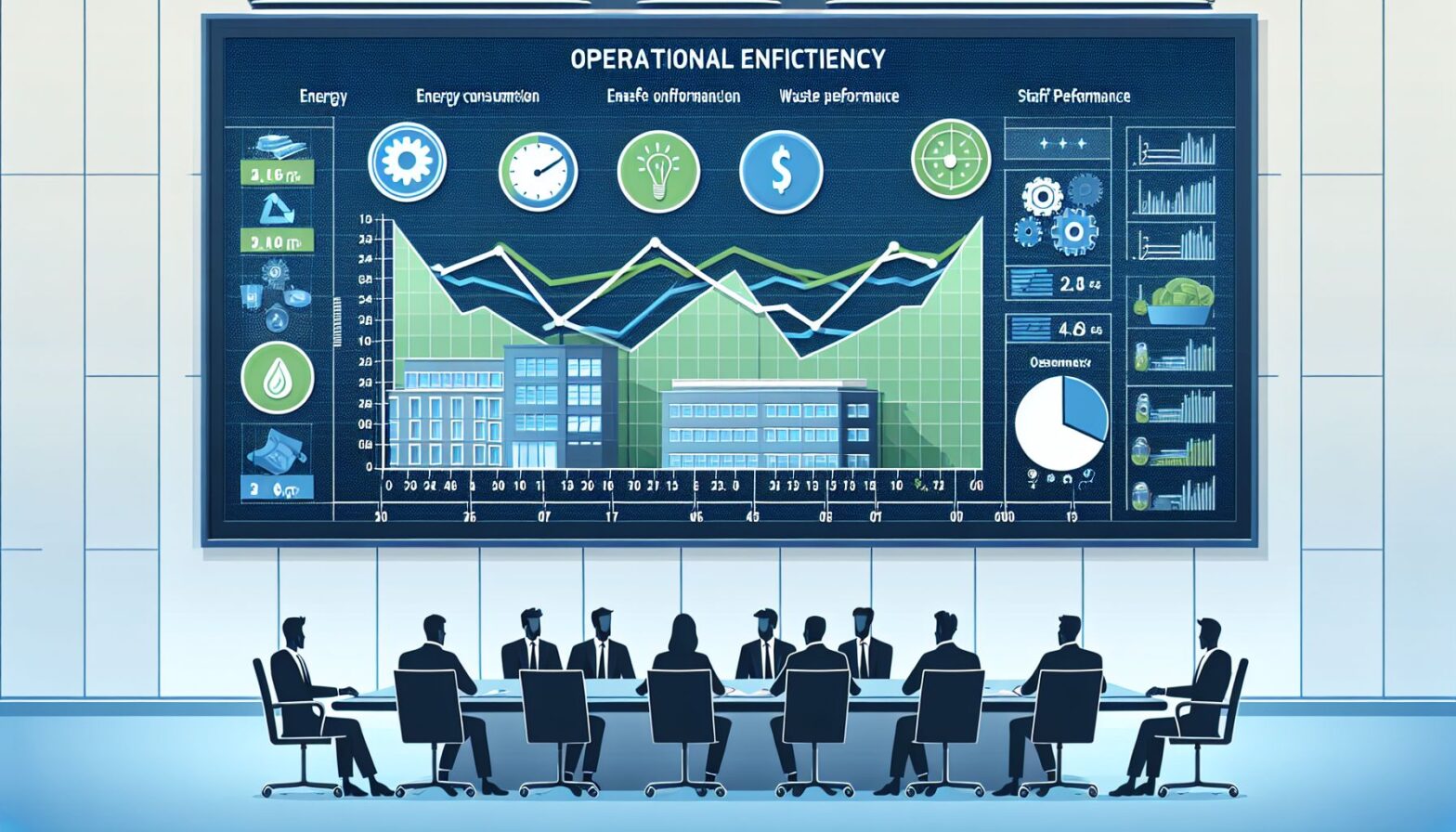
Understanding performance in treatment facilities requires a firm grip on particular metrics that highlight their operational efficiency. These metrics serve as the measure of a facility’s ability to produce quality output in the most cost-effective and resource-efficient manner.
What are Operational Efficiency Metrics?
Before delving into the specifics, it’s good to have a clear understanding of what operational efficiency metrics are. Operational efficiency metrics are quantifiable measures that provide insights into a facility’s performance. Simply put, they help ascertain how well a facility is capitalizing on its resources to deliver output.
Operational efficiency metrics can be divided into two broad categories. Firstly, there are process-based metrics, and secondly, financial efficiency metrics.
Process-Based Efficiency Metrics
Process-based efficiency metrics gauge the effectiveness of a treatment facility’s operations. They primarily examine the process operations, treatment methods, and the consumption of resources. Key process-based metrics include:
Treatment Effectiveness
Treatment effectiveness is a fundamental measure of a facility’s competency. It assesses the proportion of contaminants removed from the treatment process. A high percentage of elimination indicates a successful treatment process.
Resource Consumption
Another pivotal measure is the amount of energy, water, and other resources consumed during treatment processes. By keeping this at a minimal level, treatment facilities demonstrate efficiency and sustainability.
Equipment Efficiency
Equipment efficiency is also a noteworthy consideration. Machines and equipment need to perform at optimal levels and with minimal downtimes to ensure continuous treatment processes.
Financial Efficiency Metrics
While process-based metrics are essential, they need to be supplemented by financial efficiency metrics to present a holistic picture of operational efficiency. Key financial efficiency metrics include:
Cost Per Unit
Cost Per Unit (CPU), as the name suggests, measures how much it takes to produce each unit of output. A lower CPU could be an indicator of efficient resource allocation.
Operating Margin
Operating Margin considers the entirety of a facility’s operations and inquires, “What percentage of revenue remains after removing all operating expenses?” A higher margin often suggests superior efficiency.
Improving Operational Efficiency: Steps and Suggestions
Given the importance of these metrics, facilities must put in place mechanisms to improve their efficiency. This can be through mechanical tweaks, methodological changes, or a complete operational overhaul. A good place to start is the analysis of both process and financial metrics to identify potential bottlenecks and areas for improvement. Once these areas are identified, action plans can be crafted and implemented.
It’s crucial to keep in mind, improvements are not always about reducing costs. Instead, efficiency is about optimizing resources to achieve the highest level of output. For instance, a facility might have to invest in expensive equipment upgrades, but the long-term benefits of reduced downtime and increased output could far outweigh the initial investment.
A useful resource for further study is the research undertaken by the Kentucky water resources center—a leading institution in water research. The center’s findings on the role of efficient practices in water treatment facilities can provide further insights into this topic.
Real-World Example
One exemplary real-world case is a wastewater treatment facility that reduced its energy consumption by 20% after introducing energy-efficient equipment. The initial investment was substantial; however, the long-term savings thanks to reduced energy costs was more than worth the initial cost.
Measurement and Management: Key to Efficiency
Regular measurement and analysis of metrics are key in maintaining and improving efficiency levels. Using advanced analytics, facilities can track these metrics in real-time, providing actionable insights. Furthermore, facilities can utilize predictive analytics to foresee potential machinery failures and take mitigation measures before they escalate into costly repairs or shutdowns.
Concluding Insights
Understanding and improving operational efficiency in treatment facilities is not a step—it’s a journey. As the facilities keep evolving with advancing technologies, the metrics and practices to measure and improve efficiency also need to be updated. Continued focus on enhancement of processes, efficient resource utilization, and monitoring of key performance metrics can lead to significant improvement in operational efficiency, leading to better environmental outcomes and lower costs over the longer term.
Remember, the efficient operation of treatment facilities is not just about the bottom line—it also plays a significant role in environmental sustainability and stewardship. After all, isn’t that the ultimate metric of performance?